
Hijama for Athletes: A Gentle Guide for Active Ladies
Hijama for athletes — a gentle guide for active ladies on recovery, timing and what to expect.
Al-Amanah Editorial Team
Published on 5 November 2026
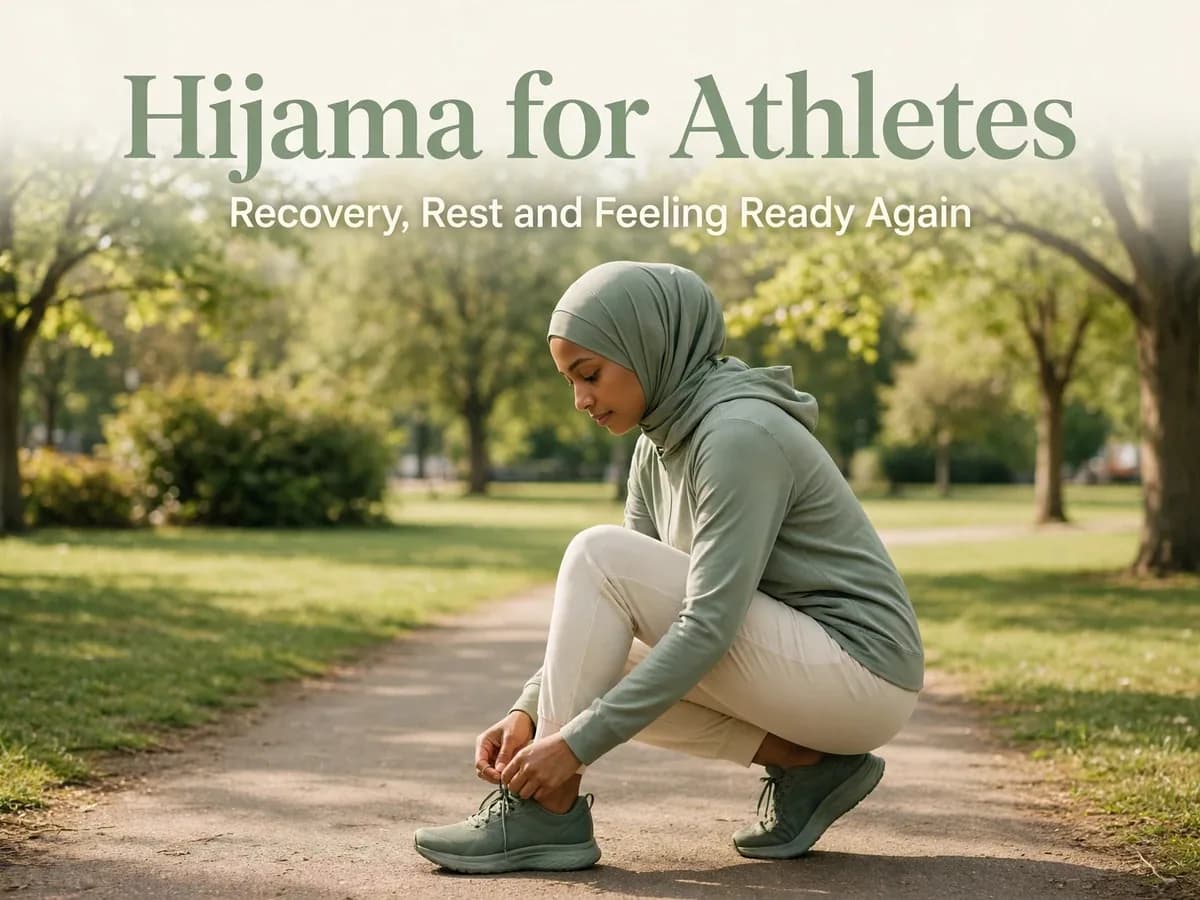
Hijama for Athletes: A Gentle Guide for Active Ladies
If you train regularly, you know the feeling: legs heavy two days after a hard session, shoulders tight no matter how much you stretch. Not injured, exactly — just worn, and keen to feel ready again.
That is where many active ladies start asking about hijama for athletes, after seeing the round marks on Olympic athletes or hearing a training partner mention cupping. What actually happens, does it suit an active body, and how does it fit around training? This guide answers honestly, without promising miracles.
What athletes usually mean when they say cupping
When athletes talk about cupping, they usually mean dry cupping or cupping massage. Dry cupping uses suction alone, with no incisions, gently lifting skin and tissue underneath — a pulling, loosening feeling rather than pain. Cupping massage glides cups over oiled skin, more like a deep massage with suction added.
Wet cupping, hijama in its traditional form, is different: after brief suction, tiny superficial incisions are made and the cups are reapplied. It has its own preparation and aftercare, and is not for the day before a big event. A good practitioner will talk through which type suits you.
Why active ladies ask about hijama for athletes
Most active ladies who ask about hijama are not looking for a shortcut — just to feel looser and more comfortable between sessions. Familiar areas come up again and again: upper back and shoulders, lower back, hamstrings and calves, and the neck after hours at a desk.
Cupping is often described as the opposite of pressing massage: where massage pushes down, suction pulls up, gently separating tissue layers and encouraging blood flow under the cup. That is why stiff people sometimes feel freer afterwards. A modest claim, and it should stay modest: a traditional wellness practice, not a treatment for injury, and not a guarantee of faster times.
An honest word about the evidence
Active ladies deserve honesty more than hype. Research on cupping for athletes is mixed and mostly small: some studies report athletes felt less sore or more mobile, while reviewers note the studies are hard to compare and often compare cupping with no treatment at all. One well-known review concluded there was not enough evidence to recommend for or against it.
That makes it neither meaningless nor magic — one small part of a wider routine, alongside rest, sleep and good coaching. Judge it like any recovery habit: did you feel looser, and did it fit training?
What a session looks like for an active lady
A session starts with a conversation, not with cups: your training, where you feel tight, any injuries, and your general health. Then the treatment itself is unhurried. Cups go on agreed areas — often back, shoulders or legs — and sit briefly, or glide over oiled skin for a cupping massage. A wet session follows the traditional steps and takes longer. Say if the suction feels too strong; a good session feels firm and pulling, never something to endure.
Afterwards comes simple aftercare: rest, water, and keeping the areas clean and covered. Marks, where they appear, are round and fade over days — not bruises, but visible, so plan around them before a match or holiday.
Hijama for athletes: timing it around training and matches
Timing is the part most athletes get wrong. Do not book a first wet cupping session the day before a competition or trial — your body needs a calm few days afterwards, and you do not yet know how your skin will respond.
Instead, try a session in a lighter training week, when you can rest afterwards and see how you feel. Many active ladies then settle into a session in a recovery week or between blocks; mid-season, gentle dry cupping or cupping massage may suit better than a full wet session.
If you are injured, in new or worsening pain, or unsure whether cupping suits you, speak to your coach, physiotherapist or doctor first. Cupping does not replace medical care.
Privacy, modesty and training around your cycle
For many ladies, the practical questions matter as much as the treatment. Sessions at Al-Amanah are ladies-only, with a female practitioner, in a private setting or by mobile home visit. You are draped throughout and only the area being treated is uncovered.
Training around your cycle is another common worry: some ladies prefer to wait until after their heaviest days, a sensible choice to discuss in consultation. The same applies after illness, a break from training, or returning from injury.
A gentle place to start
If you are curious but not sure, keep a first session simple: come with your questions, tell the practitioner how you train, and let the session be unhurried. First-time clients are offered a complimentary 30-minute massage with a booked cupping session, subject to the clinic confirming the details.
You do not need to be an elite athlete — only a lady who trains and wants a quiet, private, traditional way to look after herself between sessions. Message on WhatsApp or visit the contact page to ask about a session that fits your training week.
Frequently asked questions
Can I train the day after hijama?
Most ladies rest on the day of a session and return to light training the next day if they feel well, but a first session is best tried in a lighter week so you can see how your body responds before planning training around it.
Will cupping leave marks before a match?
It can leave round marks that fade over days, so if you have a match, trial or event where marks would bother you, book well in advance and mention the date in your consultation.
Is dry cupping or wet cupping better for athletes?
Dry cupping and cupping massage are often the gentler starting point for active ladies, while wet cupping is the traditional practice with its own preparation and aftercare. Your practitioner will advise which suits your training and health on the day.
Does hijama improve athletic performance?
No honest answer can promise that. Some athletes feel looser or less sore afterwards, but the research is mixed and small, so treat it as a traditional wellness practice alongside rest, coaching and medical care, not as a performance guarantee.
Should I tell my coach or physiotherapist first?
Yes, especially if you are injured, in a structured programme, or returning from injury. Cupping does not replace physiotherapy or medical care, and your practitioner will want to know about your training and health history.
Related Posts
What to Do After Hijama: A Simple Aftercare Guide for Ladies
Al-Amanah Hijama Practitioner Team
Providing dedicated traditional sunnah wet cupping, myofascial dry cupping, and restorative massage therapy. Based in Bordesley Green East, Birmingham with mobile home visit service covering Coventry, Walsall, Wolverhampton, Solihull, and the West Midlands & beyond.
Ready to restore vitality and release chronic muscle tension?
Book your session today with full transparency: Wet Cupping £30, Dry Cupping £25, Cupping Massage £30 (30m), Head Massage £30 (with free neck/shoulder cupping). Group discounts available.

More Clinical Guides
View allHijama Monthly Package: How a Regular Plan Works for Ladies
A hijama monthly package gives you a gentle rhythm — one calm session a month, reviewed together.
How to Prepare for Hijama: A Simple Guide for Ladies Before Your First Session
How to prepare for hijama — what to eat, drink and wear, and what to tell your practitioner.